





Sometimes the check engine light means something small. Sometimes it absolutely does not. The problem is, the light itself does not tell you which one you are dealing with. For Brooklyn drivers, the smartest move is not to panic. It is to read the situation correctly and act before a minor issue turns into something expensive.
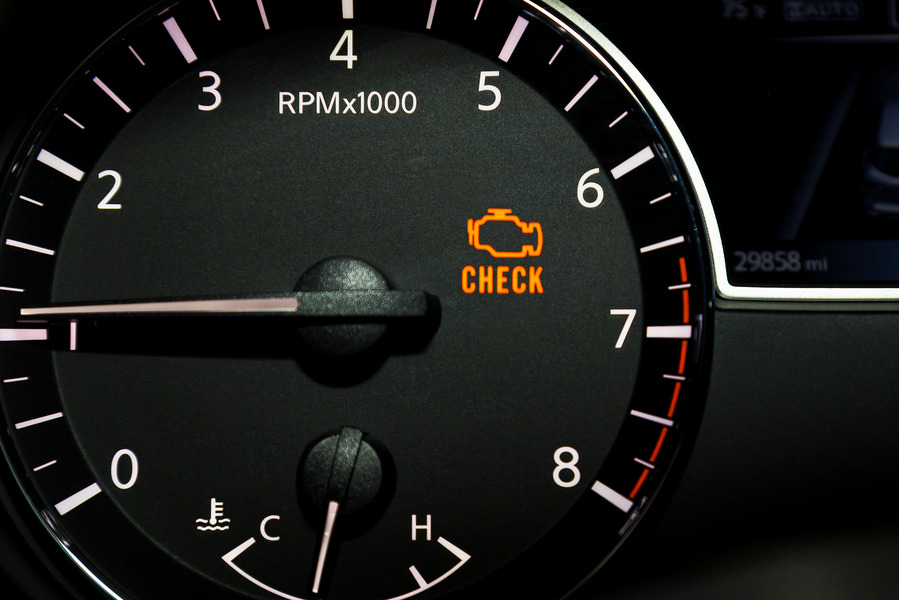
What Does the Check Engine Light Look Like?
It is usually an amber or yellow engine-shaped icon. Simple. Easy to recognize. Hard to ignore once it appears. There are two versions of this message. Steady and flashing.
A steady light means the system has detected a problem. A flashing light means the problem is active and potentially damaging. That distinction matters more than anything else on the dashboard.
Do I Need to Go to the Mechanic Right Away?
Here is where context matters. If the light is steady and the vehicle feels normal, no loss of power, no strange noises, no rough running, you can keep driving for now. Not forever. Just long enough to schedule a proper inspection. But if the light is flashing, or the car starts behaving differently, hesitation, shaking, reduced power, then the situation changes. That is no longer a “get to it soon” problem. That is a “deal with it now” problem.
Modern engines are precise. When something is off, it tends to escalate if ignored.
Do I Need to Tow My Car?
Not always. But sometimes, absolutely. A steady light with no symptoms usually means you can drive to a service center. A flashing light or noticeable performance issues suggest you should not. A misfire, for example, can damage the catalytic converter if the engine keeps running under load. That is the kind of problem that turns a manageable repair into a much larger one.
If the car feels unstable or unsafe, towing is the smarter choice. It is not about inconvenience. It is about avoiding further damage.
What the Light Is Really Telling You
The check engine light is not diagnosing the problem for you. It is flagging that something in the system is outside normal parameters. It could be a loose gas cap. It could be a sensor issue. It could be something deeper within the engine or emissions system. The only way to know is to scan it properly and interpret the data. Guessing is how small problems linger longer than they should.
At Vachon Chevrolet, diagnosing a check engine light starts with pulling the correct data and understanding what the vehicle is reporting, not just clearing the code and hoping it stays off. Because the goal is not to turn the light off. It is to fix what turned it on in the first place, so you can drive without wondering what is happening behind the scenes.
Connect with us

