





Have you scheduled any oil changes recently? Drivers around Brooklyn, CT, where cold starts in winter and steady use year-round place real demands on an engine, oil condition is not a detail you want to forget about. It is the difference between smooth operation and accelerated wear.
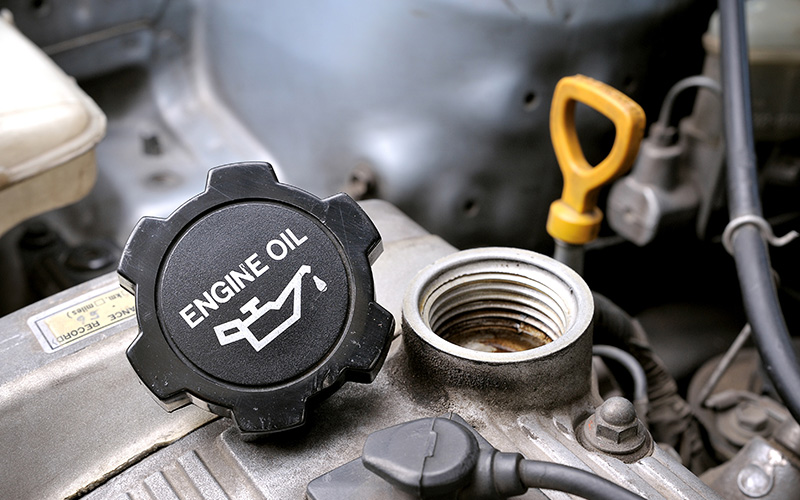
Why Are Oil Changes Necessary?
Engine oil begins life clean, stable, and capable. Over time, it collects contaminants and loses its ability to protect. As oil breaks down, friction increases. Internal components operate with less protection, and heat builds more quickly. That combination leads to wear that is both gradual and costly.
A routine oil change removes those contaminants and restores proper lubrication. It is one of the simplest services a vehicle requires, and one of the most important.
What Does Oil Do in a Vehicle?
Oil performs several functions at once, and each one matters. It lubricates moving parts, reducing friction across components that operate under constant load. It helps manage temperature by carrying heat away from critical areas. It also captures debris, directing it to the filter so it does not circulate through the engine.
How Often Should You Schedule Oil Changes?
Many engines fall within a 5,000 to 7,500 mile range with conventional oil, while synthetic oil can extend that interval closer to 10,000 miles. The exact schedule should always come from the owner’s manual.
Driving conditions in Brooklyn can influence that timing. Cold weather, short trips, and stop-and-go driving place additional strain on the oil, often justifying more frequent service.
What to Do If Your Oil Light Is On
An oil light is not informational. It is immediate. If it appears while driving, the safest approach is to pull over and shut the engine off. Low oil pressure or low oil levels can quickly lead to damage if the engine continues running.
Checking the oil level may provide a temporary answer, but it does not explain the cause. A proper inspection is needed to determine whether the issue is low oil, a failing pump, or another fault within the system.
Types of Oil: Which Is Right for Your Vehicle?
The type of oil used plays a direct role in how well the engine is protected.
- Conventional Oil: Suitable for simpler engine designs and lighter use.
- Synthetic Oil: More stable under temperature extremes and better suited for modern engines.
- Synthetic Blend: Offers a balance between cost and improved performance.
Using the correct oil type and viscosity, as specified by the manufacturer, ensures proper flow and consistent protection.
Oil changes are routine, but their impact is not. They protect the engine, preserve performance, and reduce the likelihood of larger mechanical issues developing over time. At Vachon Chevrolet, oil service is handled with attention to the details that matter. Proper oil selection, filter replacement, and a thorough check of the system help ensure your vehicle continues to operate as intended, regardless of the conditions it faces.
Connect with us

