



Blog / Brooklyn Chevrolet Service

What to Do When Your Check Engine Light Is On

What to Do When Your Check Engine Light Is On

Sometimes the check engine light means something small. Sometimes it absolutely does not. The problem is, the light itself does not tell you which one you are dealing with. For Brooklyn drivers, the smartest move is not to panic. It is to read the situation correctly and act before a minor issue turns into something expensive. 

What Does the Check Engine Light Look Like? 

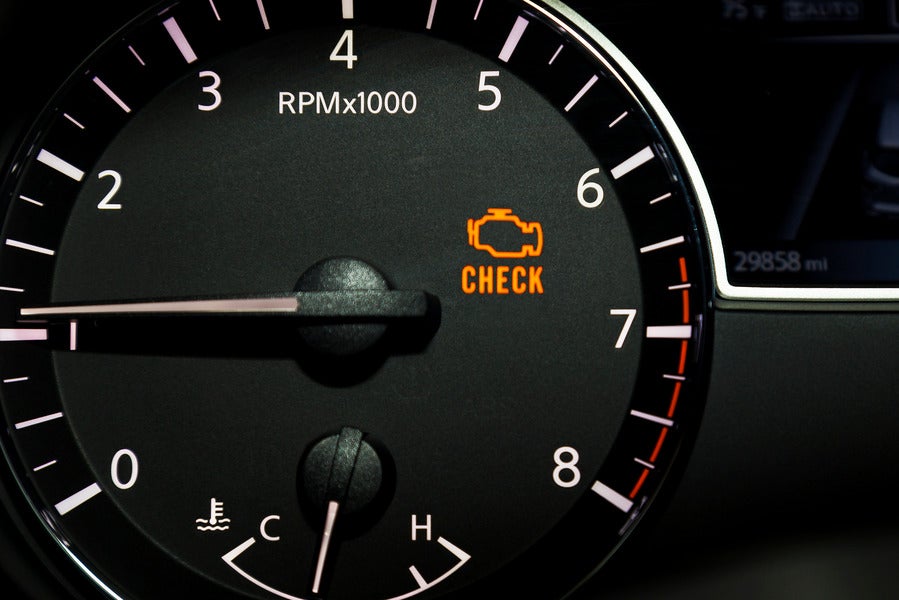
It is usually an amber or yellow engine-shaped icon. Simple. Easy to recognize. Hard to ignore once it appears. There are two versions of this message. Steady and flashing. 

A steady light means the system has detected a problem. A flashing light means the problem is active and potentially damaging. That distinction matters more than anything else on the dashboard. 

Do I Need to Go to the Mechanic Right Away? 

Here is where context matters. If the light is steady and the vehicle feels normal, no loss of power, no strange noises, no rough running, you can keep driving for now. Not forever. Just long enough to schedule a proper inspection. But if the light is flashing, or the car starts behaving differently, hesitation, shaking, reduced power, then the situation changes. That is no longer a “get to it soon” problem. That is a “deal with it now” problem. 

Modern engines are precise. When something is off, it tends to escalate if ignored. 

Do I Need to Tow My Car? 

Not always. But sometimes, absolutely. A steady light with no symptoms usually means you can drive to a service center. A flashing light or noticeable performance issues suggest you should not. A misfire, for example, can damage the catalytic converter if the engine keeps running under load. That is the kind of problem that turns a manageable repair into a much larger one. 

If the car feels unstable or unsafe, towing is the smarter choice. It is not about inconvenience. It is about avoiding further damage. 

What the Light Is Really Telling You 

The check engine light is not diagnosing the problem for you. It is flagging that something in the system is outside normal parameters. It could be a loose gas cap. It could be a sensor issue. It could be something deeper within the engine or emissions system. The only way to know is to scan it properly and interpret the data. Guessing is how small problems linger longer than they should. 

At Vachon Chevrolet, diagnosing a check engine light starts with pulling the correct data and understanding what the vehicle is reporting, not just clearing the code and hoping it stays off. Because the goal is not to turn the light off. It is to fix what turned it on in the first place, so you can drive without wondering what is happening behind the scenes. 
Posted in:

Related Posts

A hand hovering over the air conditioning vent - Summer Car Service Tips for Brooklyn, CT Drivers 

Summer Car Service Tips for Brooklyn, CT Drivers

How important is summer car service? The summer sun is a relentless, scorching beast that seeks to dismantle your vehicle piece by piece, which is why Vachon Chevrolet in Brooklyn, CT stands as your ultimate fortress against automotive thermal carnage. You must realize that neglecting your vehicle maintenance is an invitation to total disaster as the humidity climbs to unbearable levels. Vachon Chevrolet in Brooklyn, CT offers a level of obsessive, high-stakes care that ensures your machine survives the brutal seasonal shift without a single moment of weakness. The Absolute Necessity of Summer Car Service Summer presents a terrifying gauntlet for your engine and tires, demanding a level of mechanical resilience that only professional intervention can provide. Without a rigorous car service, critical components will fail, leaving you stranded on the burning asphalt of a 100 degree day. Regular vehicle maintenance is not a mere suggestion, but a fundamental requirement for the survival of your 4-cylinder, V6, or V8 engine as it battles the atmospheric heat. Critical Systems for Summer Car Service 1. Cooling System Overhaul Your cooling system is the thin line between a smooth drive and a catastrophic engine meltdown, requiring 100% efficiency to manage the internal fires of your 5.3 L or 6.2 L powerhouse. During a car service, our technicians hunt for every microscopic leak in the radiator and examine every 1" hose for signs of wear. This is a life or death mission for your engine performance, and we take the integrity of your coolant levels with a level of seriousness that borderlines on the fanatical. 2. Air Conditioning Restoration You deserve a cabin that feels like an arctic sanctuary, even when the world outside is melting into a puddle of despair. We will inspect your air conditioning system, checking refrigerant levels and scouring filters to ensure the air blowing past your 13.4" infotainment screen is sub-zero. While your Apple CarPlay© and Android Auto© systems provide the soundtrack to your journey, our technicians provide the atmosphere of 1st class luxury. 3. Tire Perfection and Pressure Calibration The road is a literal frying pan, and your 18", 20", or 22" tires are the only thing separating your family from the abyss. We will analyze the tread depth with an unyielding eye, adjusting the pressure to the exact digit required by the manufacturer to prevent a high speed blowout. Your safety is a pulse-pounding priority, and we refuse to let a single tire remain in a state of compromise. Prepare Your Machine for Eternal Summer Adventures Before you even think about a road trip, you must submit your vehicle for a comprehensive inspection that covers every bolt and wire. We verify the health of your battery, the bite of your brakes, and the clarity provided by your windshield wipers. Whether you drive an entry level Silverado 1500 WT, a mid-level LT, or a top-tier High Country with 420 hp and 460 lb-ft of torque, the service must be flawless. At Vachon Chevrolet in Brooklyn, CT, our certified masters of mechanics handle everything from a basic oil change to a complex diagnostic overhaul. We understand that your 2.7 L TurboMax engine or your 3.0 L Duramax Diesel demands 100% accuracy and relentless attention to detail. Do not allow the summer heat to claim another victim on the highway. By prioritizing a savage level of regular car service, you reclaim control over your destiny on the road. For the most intense and expert vehicle maintenance in Brooklyn, CT, you must visit Vachon Chevrolet today or secure your appointment online at Vachon Chevrolet. We are the guardians of your automotive life, and we will keep your car in peak, aggressive condition for every mile of the season ahead.

Pouring Coolant | Brooklyn, CT

6 Chevy Services That Improve Engine Cooling Efficiency

It's vital for your car's cooling system to run efficiently. Any loss of performance could have catastrophic consequences for the engine, such as a blown gasket, warped cylinder head, or total engine failure. The technicians at our Chevy dealership can service your car to ensure optimal cooling efficiency. 6 Chevy Services That Improve Engine Cooling Efficiency Flush the Coolant Before It Deteriorates Coolant is key to a healthy engine. This fluid has superb heat conductivity and thermal capacity, plus anti-corrosion qualities. However, these qualities fade over time, and you'll need to flush your coolant every two or three years. Check it often by looking at the coolant reservoir, which is usually transparent. more Inspect and Clean the Radiator The coolant carries heat from the engine to the radiator and releases it while passing through the radiator fins. It's important to keep these fins clean and unclogged, so heat can escape easily from them. Check your radiator periodically and clean away any leaves or grime gathering on it. Also, clean away any rust before it develops and causes a coolant leak. Pressure-Test the Entire Cooling System It's essential to regularly pressure-test your cooling system. Here, our technician will pressurize each component, which reveals any leaks or other problems. It's advisable to schedule a pressure test once or twice a year. Also, do so if you notice leaking coolant or signs that the engine might be overheating. Check and Replace the Thermostat The thermostat controls the flow of coolant to the radiator. This hardy component will usually last about a decade, but can sometimes fail prematurely. Our annual system inspections will include examining the thermostat for signs of wear or corrosion. They can then replace it before a bad thermostat disrupts the cooling system and causes damage to the engine. Inspect the Water Pump The water pump pushes the coolant through the system. If the water pump fails, coolant stops circulating, and the engine rapidly heats up. During routine inspections, the technicians will examine and pressure-test the water pump to make sure it's in great shape. Check and Replace the Serpentine Belt The serpentine belt transmits power from the engine to the water pump. If this belt cracks or slips loose, the cooling system will shut down. This is one of many reasons to check your serpentine belt periodically. If it ever appears worn or frayed, have it replaced. Keep Your Engine Cool With Routine Service at Your Chevy Dealership Our experienced specialists can set up a convenient year-round service timetable for your Chevy. We'll coordinate essential maintenance tasks to minimize the amount of time your car spends in the service center. Come to Vachon Chevrolet in Brooklyn, CT, to get started. We take care to carry out courteous, cost-effective, high-quality repairs and maintenance services.

Tire Service

Tire FAQs: What Every Driver Should Know

Tires are the biggest connection point between you, your vehicle, and the road—yet they’re often overlooked until something goes wrong. This tire FAQ is here to help you feel confident about the basics—from checking your tread depth to understanding what those numbers on your sidewall actually mean. Whether you drive a Chevy Trax, a Silverado, or anything in between, this guide has you covered. For drivers throughout Brooklyn, Connecticut and beyond, being prepared can make all the difference. What Do the Numbers on My Tires Mean? One of the most common questions in any tire FAQ is how to read tire size. That string of numbers and letters on the sidewall tells you a lot about your tire. For example, a tire marked 225/65R17 breaks down like this: 225 is the width in millimeters, 65 is the aspect ratio (the height of the sidewall as a percentage of the width), R stands for radial construction, and 17 is the wheel diameter in inches. Knowing how to read tire size can help you shop for replacements with confidence and verify that a new tire matches your vehicle's requirements. more How Do I Know When to Replace My Tires? Tread depth is the clearest indicator of tire health. New tires typically come with about 10/32 of an inch of tread. Once tread wears down to 2/32 of an inch, replacement is necessary. A quick way to check is the penny test—insert a penny into a tread groove with Lincoln's head facing down. If you can see the top of his head, it's time for new tires. Also look for cracking along the sidewalls, bulges, or uneven wear patterns, as these can all signal that a tire needs attention sooner rather than later. How Often Should I Check Tire Pressure? You should check tire pressure at least once a month and before any long road trip. Temperature changes affect pressure—tires can lose about one pound per square inch for every 10-degree drop in outside temperature. That means drivers in Brooklyn, CT who experience cold New England winters need to check pressure more frequently as the seasons change. Your vehicle's recommended tire pressure is listed on a sticker inside the driver's door jamb, not on the tire itself. That sidewall number reflects the maximum pressure the tire can handle, which is different from the ideal operating pressure for your specific vehicle. What Is Tire Rotation and Why Does It Matter? Tire rotation means moving tires from one position on the vehicle to another to promote even wear. Front tires tend to wear faster than rear tires, especially on front-wheel-drive vehicles, because they handle both steering and much of the braking load. Most manufacturers recommend rotating tires every 5,000 to 7,500 miles. Regular rotation extends the life of your tires and helps maintain consistent handling performance. It is also often required to keep a tire warranty valid, so it is worth staying on schedule. What’s the Difference Between All-Season and Winter Tires? All-season tires are designed to handle a range of conditions, including light snow and rain. However, they’re not a substitute for dedicated winter tires when temperatures consistently drop below 45°F. Winter tires use a softer rubber compound and deeper tread patterns to maintain grip on snow, ice, and cold pavement. For Connecticut drivers who deal with harsh winters, a separate set of winter tires can make a meaningful difference in safety and control. Visit Vachon Chevrolet for Tire Service We hope this tire FAQ helped answer some of your questions. Whether you need help understanding how to read tire size, want a tread depth check, or are ready for a full tire replacement, the team at Vachon Chevrolet is here to help. Stop by and see us! We look forward to keeping drivers throughout Brooklyn, CT safe on the road.