Blog / Brooklyn Chevrolet Dealer

6 Impressive Features of the 2025 Chevy Silverado 2500 HD

2025 Chevy Silverado 2500 HD | Brooklyn, CT
The 2025 Chevy Silverado 2500 HD is a heavy-duty pickup truck that will elevate every work task and help you reach maximum productivity. Check out these six impressive features that make the Silverado 2500 perfect for all your adventures and tough jobs.

6 Impressive Features of the 2025 Chevy Silverado 2500 HD

1. 6.6L V8 Gas Engine

The Silverado 2500 HD runs on a 6.6L V8 gas engine that produces 401 horsepower at 5200 rpm and 464 lb-ft of torque at 4000 rpm. You can boost your Silverado 2500's capabilities by choosing the available 6.6L Duramax turbo-diesel engine, which provides 470 horsepower at 2800 rpm and 975 lb-ft of torque at 1600 rpm. This engine offers a maximum towing capacity of 22,070 pounds.

2. Trailering Package

Every 2025 Silverado HD comes with a Chevrolet Trailering Package that helps you tackle all of your towing endeavors with ease. The trailering package includes all the following:
  • Trailer hitch
  • Trailering hitch platform
  • A 2.5-inch receiver hitch
  • 4-pin and 7-pin connectors
  • A 7-wire electrical harness
  • A 7-pin sealed connector
Hitch Guidance acts as the perfect complement to these features by giving you an enhanced view of your trailer and hitch throughout the entire trailering process. Use Hitch Guidance to align the trailer and hitch perfectly during attachment, and then use the same function to check on your trailer while you're driving.

3. Chevrolet Infotainment 3 System

The Silverado 2500 has a diagonal 7-inch Infotainment 3 system that comes with Apple CarPlay and Android Auto smartphone integration. Pair your phone to the truck and use voice command pass-through to answer or initiate phone calls from behind the wheel. The Chevrolet Infotainment 3 system also comes with Bluetooth audio streaming, AM/FM radio, and OnStar Basics safety features.

4. Durabed

The Chevrolet Silverado 2500 has a high-strength Durabed cargo box for all of your hauling projects. The Durabed is made with roll-formed steel and has 12 tie-downs that are rated at 500 pounds per corner. The Silverado 2500 also has cab-mounted cargo area lamps that illuminate your truck bed when working at night.

5. Tailgate with EZ Lift

The 2025 Silverado 2500 LT and higher trims come with a tailgate with EZ Lift assist, power lock, and release. This tailgate has an internal torsion bar that creates more controlled, gradual movement of the tailgate.

6. Google Built-In

Another innovative feature on the Silverado 2500 LT and higher trims is Google built-in. Google built-in comes with Google Maps, Assistant, and Play to give you helpful resources while driving. You can access these features through voice controls or on the LT's 13.4-inch touchscreen. Call Vachon Chevrolet in Brooklyn, CT, and ask us about the new Silverado 2500 HD!
Posted in:

Related Posts

2026 Chevrolet Trax

The 2026 Chevrolet Trax Makes a Strong Case for Keeping Things Simple

The 2026 Chevrolet Trax takes a disciplined approach to a compact SUV. It has 5 seats, FWD, one small T urbocharged engine, useful cargo capacity, and enough technology to feel contemporary without pretending to be something it isn't. For drivers around Brooklyn, Connecticut, that simplicity may be the Trax's most appealing feature. This is a compact SUV built around the things people use regularly, with 5 trims providing different ways to dress up the same sensible foundation. Five Trims Without Five Different Identities The 2026 Trax lineup consists of LS, 1RS, LT, 2RS, and ACTIV. LS establishes the fundamentals with LED headlights, wireless Apple CarPlay® and Android Auto™ compatibility, and Chevy Safety Assist. The RS models change the visual character with RS badging, black bowtie emblems, and red interior accents, while 2RS adds a flat-bottom steering wheel. ACTIV takes another route with black-painted aluminum wheels, Titanium chrome accents, and distinctive yellow interior details. There's also an available Midnight Edition for LT, combining High Gloss Black mirror caps, grille bar, roof rails, and wheels with black badging, bowties, wheel caps, and front and rear bumper skid plates. Pick the appearance and equipment you like without having to rethink the entire vehicle. Safety Equipment Starts Where the Range Does Every 2026 Trax includes Chevy Safety Assist, a collection of 6 technologies: Automatic Emergency Braking, Front Pedestrian Braking, Lane Keep Assist with Lane Departure Warning, Forward Collision Alert, IntelliBeam ® High Beam Assist, and Following Distance Indicator. A Rear Vision Camera and Teen Driver Technology also come standard. Depending on configuration, buyers can also add Rear Park Assist, Rear Cross Traffic Alert, Lane Change Alert with Side Blind Zone Alert, and Adaptive Cruise Control. Technology in the 2026 Chevrolet Trax Wireless Apple CarPlay® and Android Auto™ compatibility are standard. An available 11-inch diagonal color touchscreen gives the Trax a larger central interface, while available wireless charging removes another cable from the cabin. An available Wi-Fi® hotspot can keep compatible devices connected on longer journeys. It's a good example of where the Trax spends its complexity. Not on elaborate mechanical systems most owners rarely exploit, but on technology they'll interact with repeatedly. Performance on the Road Every 2026 Trax uses an ECOTEC® 1.2L Turbo 3-cylinder producing 137 hp and 162 lbs. ft. of torque. The Trax is FWD only, and it isn't rated for towing. Buyers needing either capability should look elsewhere in Chevrolet's SUV inventory. For everyone else, the simplicity has advantages. The Trax achieves an EPA-estimated 30 mpg combined and runs on regular unleaded gasoline with a minimum 87-octane rating. It's also E85 compatible. A Compact SUV with a Spacious Interior The Trax accommodates 5 passengers and offers up to 54 cu. ft. of maximum cargo space with its rear seats folded. A 60/40 split-folding rear seat means you don't have to choose entirely between people and luggage. Drop only part of the seat and there's still room for a rear passenger alongside longer cargo. Compact SUVs earn their place by being easy to maneuvern and surprisingly useful when somebody buys a piece of furniture they didn't measure first. The 2026 Trax has also earned recognition as a Consumer Reports Recommended SUV for 2026, adding another point shoppers may want to consider during their model research. See the 2026 Chevrolet Trax at Vachon Chevrolet Vachon Chevrolet in Brooklyn can help Connecticut shoppers compare the current Trax inventory and differences among LS, 1RS, LT, 2RS, and ACTIV. Once you've found the equipment level that makes sense, schedule your 2026 Chevrolet Trax test drive online.


Tire Service

Tire FAQs: What Every Driver Should Know

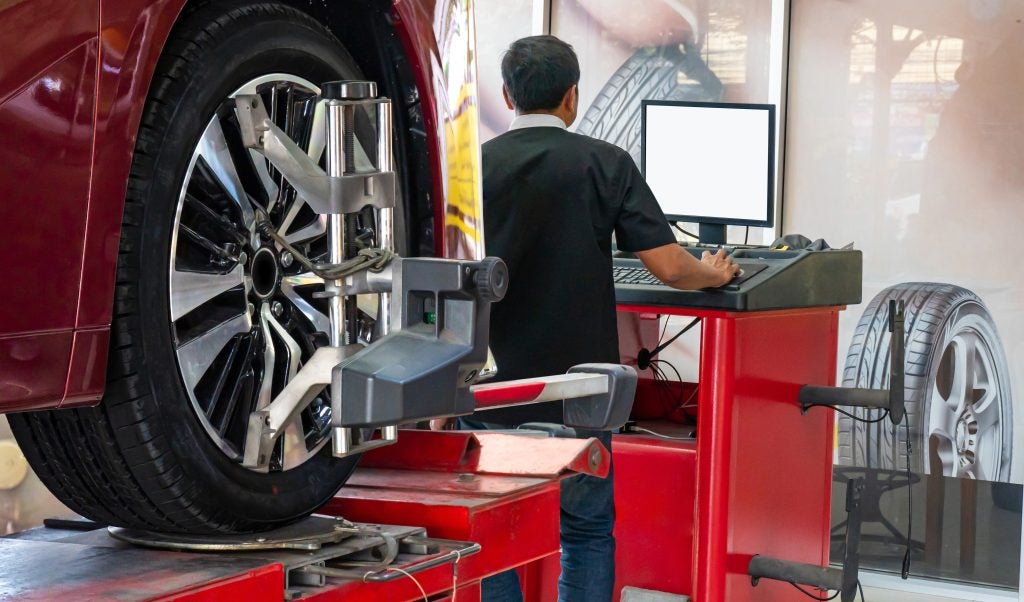
Tires are the biggest connection point between you, your vehicle, and the road—yet they’re often overlooked until something goes wrong. This tire FAQ is here to help you feel confident about the basics—from checking your tread depth to understanding what those numbers on your sidewall actually mean. Whether you drive a Chevy Trax, a Silverado, or anything in between, this guide has you covered. For drivers throughout Brooklyn, Connecticut and beyond, being prepared can make all the difference. What Do the Numbers on My Tires Mean? One of the most common questions in any tire FAQ is how to read tire size. That string of numbers and letters on the sidewall tells you a lot about your tire. For example, a tire marked 225/65R17 breaks down like this: 225 is the width in millimeters, 65 is the aspect ratio (the height of the sidewall as a percentage of the width), R stands for radial construction, and 17 is the wheel diameter in inches. Knowing how to read tire size can help you shop for replacements with confidence and verify that a new tire matches your vehicle's requirements. more How Do I Know When to Replace My Tires? Tread depth is the clearest indicator of tire health. New tires typically come with about 10/32 of an inch of tread. Once tread wears down to 2/32 of an inch, replacement is necessary. A quick way to check is the penny test—insert a penny into a tread groove with Lincoln's head facing down. If you can see the top of his head, it's time for new tires. Also look for cracking along the sidewalls, bulges, or uneven wear patterns, as these can all signal that a tire needs attention sooner rather than later. How Often Should I Check Tire Pressure? You should check tire pressure at least once a month and before any long road trip. Temperature changes affect pressure—tires can lose about one pound per square inch for every 10-degree drop in outside temperature. That means drivers in Brooklyn, CT who experience cold New England winters need to check pressure more frequently as the seasons change. Your vehicle's recommended tire pressure is listed on a sticker inside the driver's door jamb, not on the tire itself. That sidewall number reflects the maximum pressure the tire can handle, which is different from the ideal operating pressure for your specific vehicle. What Is Tire Rotation and Why Does It Matter? Tire rotation means moving tires from one position on the vehicle to another to promote even wear. Front tires tend to wear faster than rear tires, especially on front-wheel-drive vehicles, because they handle both steering and much of the braking load. Most manufacturers recommend rotating tires every 5,000 to 7,500 miles. Regular rotation extends the life of your tires and helps maintain consistent handling performance. It is also often required to keep a tire warranty valid, so it is worth staying on schedule. What’s the Difference Between All-Season and Winter Tires? All-season tires are designed to handle a range of conditions, including light snow and rain. However, they’re not a substitute for dedicated winter tires when temperatures consistently drop below 45°F. Winter tires use a softer rubber compound and deeper tread patterns to maintain grip on snow, ice, and cold pavement. For Connecticut drivers who deal with harsh winters, a separate set of winter tires can make a meaningful difference in safety and control. Visit Vachon Chevrolet for Tire Service We hope this tire FAQ helped answer some of your questions. Whether you need help understanding how to read tire size, want a tread depth check, or are ready for a full tire replacement, the team at Vachon Chevrolet is here to help. Stop by and see us! We look forward to keeping drivers throughout Brooklyn, CT safe on the road.

Tire Pressure Light

Your Tire Pressure Light Came On! Now What?

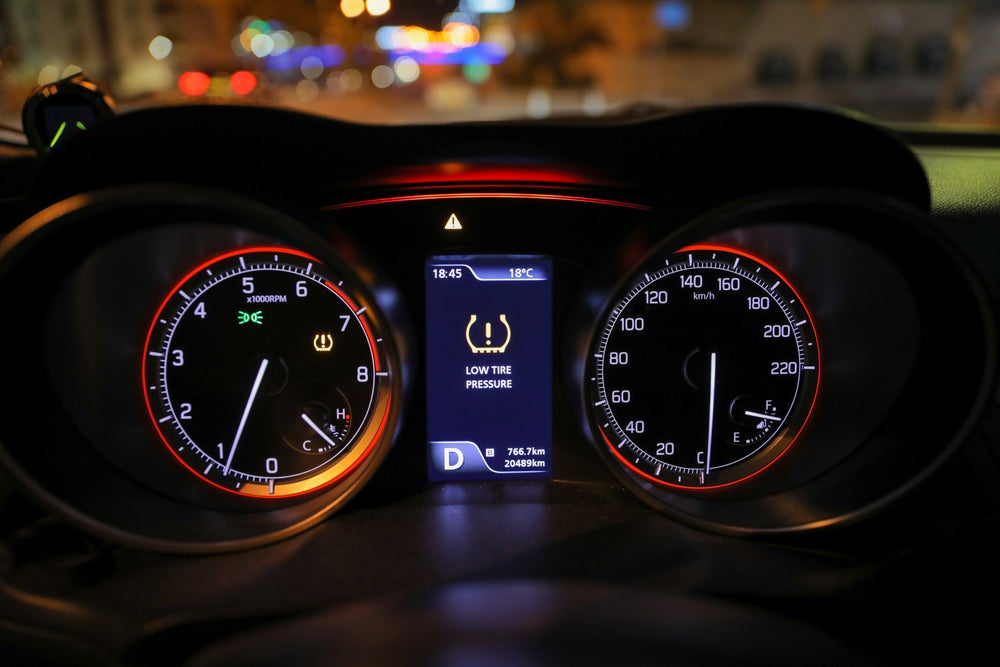
It happened. The dreaded tire pressure light came on. This is your vehicle's way of telling you something needs attention. This small dashboard warning, often shaped like a cross-section of a tire with an exclamation point, is part of your car's tire pressure monitoring system, or TPMS. It activates when one or more tires fall outside of the recommended pressure range. Ignoring it can affect handling, fuel efficiency, and tire life—something Brooklyn, Connecticut drivers never want to happen. What Is PSI and Why Does It Matter? Before you can address the warning, it helps to understand what PSI means. PSI stands for pounds per square inch, the unit used to measure how much air is inside your tires. Every vehicle has a recommended PSI range. You can find it on the sticker inside your driver's door jamb or in your owner's manual. Most passenger cars and SUVs fall somewhere between 30 and 35 PSI. Driving on tires that are significantly above or below that range can lead to uneven wear or reduced traction. more Steps to Take When the Light Turns On When your tire pressure light comes on, here is a simple process to follow. First, do not panic—the light doesn’t always mean you have a flat. Start by visually inspecting all 4 tires. If none appear obviously flat, head to a gas station or service center to check the pressure with a gauge. Add air until it reaches the correct PSI listed for your vehicle. If a tire is significantly underinflated or you notice a nail or other damage, avoid driving on it and have it inspected right away. Keep in mind that cold weather can temporarily cause tire pressure to drop, which may trigger the light even if nothing is wrong with the tire itself. I Inflated It, But the Light is Still On! Sometimes the tire pressure light stays on even after you have added air. The TPMS sensor may need time to reset as you drive, usually within a few miles. However, if the light remains on there could be a leak, a damaged sensor, or a tire that needs to be professionally inspected. Drivers in Brooklyn, CT have access to trained technicians who can diagnose TPMS issues accurately and get things sorted quickly. Get Your Tires Checked at Vachon Chevrolet If your tire pressure light is on and you’re not sure what to do next, the service team at Vachon Chevrolet is ready to help. Whether it is a simple top-off, a sensor reset, or a more involved repair, getting it handled promptly keeps you safer on the road. Your tire pressure light exists to protect you, and understanding what PSI means puts you in a better position to respond confidently. A quick check is often all it takes to resolve the issue, but when in doubt, it is always worth having a professional take a look. Visit Vachon Chevrolet online at checkvachonchevy.com to schedule your service appointment today and let us handle the nitty-gritty.